
After a traumatic brain injury (TBI), the brain uses more energy to function and recover, which can lead to fatigue and excessive sleepiness. In the early stages after a head injury, doctors often recommend quiet rest, including physical rest and cognitive rest, as part of a broader treatment plan. TBI patients may also have changes in the brain systems that regulate hormones and circadian rhythm, which can disrupt the sleep-wake cycle and make daily activities harder.
If you’ve suffered a head injury and you’re dealing with a post-TBI sleep disorder, you may be able to pursue compensation for medical care, lost income, and the ways the injury affects your quality of life. An experienced California traumatic brain injury lawyer can help you better understand your rights to compensation.
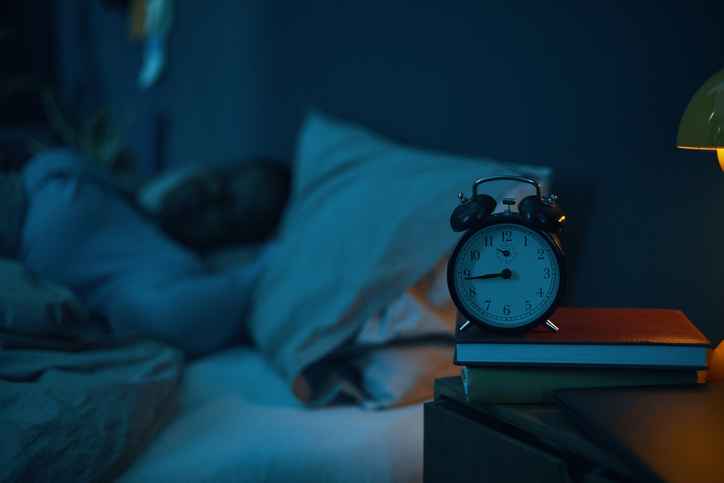
What are the effects of a TBI on the sleep-wake cycle?
After a traumatic brain injury, the brain may need more energy to manage routine thinking and movement. This can contribute to hypersomnia, which means sleeping longer than usual or feeling excessive sleepiness during the day.
A few factors can affect how severe hypersomnia is and how long it lasts after a TBI:
- Daily tasks may take more effort than they did before the head injury, so physical and mental activity can feel exhausting.
- If areas like the hypothalamus or brainstem are affected, the sleep-wake cycle can be disrupted, which may lead to irregular nighttime sleep and daytime sleepiness.
- Pain, depression, and anxiety after a TBI can also interfere with sleep hygiene and make rest feel harder to achieve.
After an injury, the brain is working hard to recover, and that can leave someone feeling drained. Sleep supports recovery by helping the brain regulate inflammation, restore energy balance, and clear metabolic waste. It also gives the brain a break from processing new information, which is one reason some TBI patients need more sleep than usual.
How does poor sleep hygiene affect a TBI personal injury claim?
In a brain injury lawsuit, damages may include both economic and non-economic losses. When sleep problems affect a person’s functioning, that impact is often part of the overall damage picture.
Poor sleep hygiene can worsen the cognitive, emotional, and physical side effects of a TBI. It can also make it harder to return to daily activities, work, or school, and it may limit a person’s ability to care for family members. In a claim, these issues may relate to lost wages, reduced earning capacity, and the cost of help at home when someone can’t do what they used to do.
The patient may force themselves to fight through the excessive sleepiness so they can work and pay their bills, but this comes at a cost to their recovery. The brain needs sleep to heal and clear metabolic waste products. Lack of sleep can slow the healing process and predict a poorer, more prolonged overall recovery. The victim’s personal injury claim should reflect the economic impact of hypersomnia on their lives.
Legal help for brain injury victims
If you or someone you love suffered a brain injury because of someone else’s negligence, you may be able to pursue compensation for long-term care, rehabilitation, and the support needed at home.
Our legal team can explain your legal options and document how the injury affects work, daily activities, and quality of life. Contact Ernst Law Group today at (805) 541-0300 for a free consultation.