
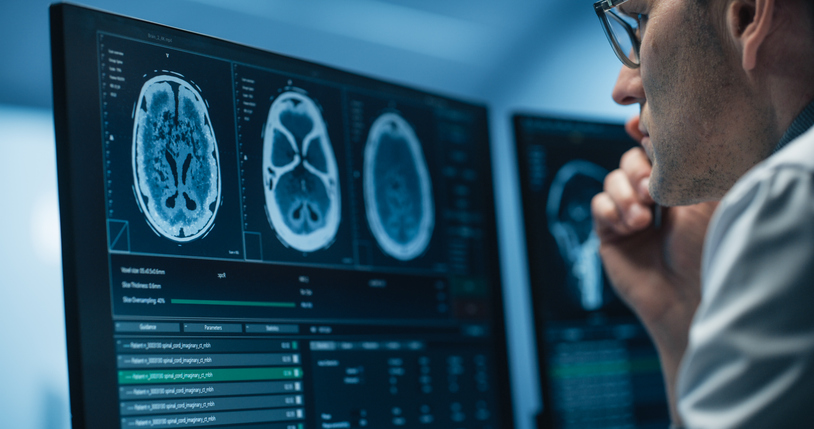
Medical research confirms that the brain doesn’t always fully heal in a simple, predictable way. Instead, a head injury can lead to lasting changes that affect the nervous system and may not be apparent for months or years.
A California traumatic brain injury lawyer at Ernst Law Group works with people and families like yours who are dealing with long-term effects that began with a single traumatic event. Our role is to help you understand your options and find a path forward during a difficult and uncertain time.
Why can brain injury symptoms appear months or years later?
A traumatic brain injury (TBI) doesn’t always have a clear beginning and end. Some injuries heal quickly, but others involve subtle changes to brain tissue, nerve pathways, and chemical signaling. Even a mild traumatic brain injury can have lingering consequences that are easy to miss at first.
In the weeks after a crash, fall, or sports-related impact, your body is often focused on obvious pain, like bruises, whiplash, or broken bones. However, the brain can take longer to stabilize. Over time, a brain injury affects concentration, mood, sleep, memory, and the ability to regulate emotions and stress. If those problems build gradually, you might not recognize them as related to an old injury until they start affecting your quality of life.
Can a mild traumatic brain injury cause long-term problems?
Many people assume a mild TBI, sometimes described as a mild concussion, is something you shake off. However, mild usually refers to initial clinical findings, not the impact on your daily functioning. Some TBI patients recover fully within days or weeks. Others experience symptoms that linger or fluctuate. Common delayed or long-lasting symptoms can include:
- Persistent headaches or pressure sensations
- Memory problems or slower processing speed
- Trouble focusing or multitasking
- Sleep disruption or extreme fatigue
- Sensitivity to light or noise
- Increased anxiety, depression, or mood swings
- Changes in personality or emotional regulation
If any of these sound familiar, it may be time to seek medical attention, even if your injury happened long ago.
How brain regions impact long-term outcomes
Different brain regions control different abilities. That’s one reason two people can experience the same type of accident and walk away with completely different outcomes. Depending on what area was affected, you might notice issues such as:
- Frontal lobe changes: Judgment, impulse control, organization, decision-making
- Temporal lobe problems: Memory, language, emotional processing
- Cerebellum involvement: Balance, coordination, dizziness
- Brainstem disruption: Sleep regulation, alertness, autonomic function
These changes aren’t just imagined. They can stem from real injury to brain tissue and the systems responsible for normal functioning.
What factors increase the risk of long-term effects after a brain injury?
Not everyone faces long-lasting problems, but certain factors can increase the chance of long-term effects. These may include:
- Multiple injuries over time
- A delayed diagnosis or lack of early treatment
- Returning to activity too soon
- Pre-existing migraine, anxiety, or mood disorders
- Sleep disorders or high-stress environments
- Older age at the time of injury
- Significant force, whiplash, or loss of consciousness
Even when imaging looks normal, a brain injury can still cause measurable problems with cognitive performance and emotional stability. Each additional impact becomes a risk factor for worse outcomes.
Can repeated head injuries lead to chronic traumatic conditions?
Some individuals develop complications associated with repeated head impacts, sometimes described as chronic traumatic conditions. This often becomes part of the conversation for athletes, military service members, or others exposed to multiple falls or workplace incidents.
You don’t need repeated injuries to have ongoing symptoms. Even one significant event can lead to lasting impairment, but repeated impacts can raise concern about progressive problems over time.
What does the NIH say about long-term brain injury symptoms?
Research continues to evolve, but the National Institutes of Health (NIH) and other medical authorities recognize that symptoms can persist beyond the initial recovery window, including in cases involving mild injury. Many patients report effects that change over time, especially involving sleep, mental health, pain, and stress. If your brain took a hit, it may still be recovering or adapting long after others expect you to be back to normal.
What treatment options can help years after a brain injury?
Even if your injury isn’t new, you still have treatment options. A medical provider may recommend a combination of care depending on your symptoms, such as:
- Neurology evaluation and symptom tracking
- Cognitive rehabilitation therapy
- Vestibular therapy
- Vision therapy
- Mental health counseling
- Medication
- Lifestyle adjustments and structured return-to-activity planning
Getting the right diagnosis can guide care and help you understand what’s happening inside your body, not just how you feel.
Talk to a brain injury lawyer about long-term symptoms
If you’re still dealing with the long-term effects of a past TBI, you deserve support, answers, and a plan forward. Ernst Law Group can help you understand whether an old injury may be affecting your health today and what that could mean for your legal rights. We often speak with spouses, parents, and caregivers who are searching for answers on behalf of someone they love. Contact Ernst Law Group at (805) 541-0300 to schedule a free consultation.